
How high-velocity air conditioning works
High-velocity air conditioning moves cool air through small, flexible tubing and compact outlets instead of full-size ducts. That makes it a good candidate for older or finished homes where there's simply no room for conventional ductwork.
The house still needs space for the air handler, a return and service access. Smaller ducts mean less disruption, but most installations still involve some openings and patching, and we'll show you where.
Planning a small-duct system around your house
01 · Floors and access
Tell us which floors need cooling, where there's access and which details you want to protect, like original trim, plaster ceilings or built-ins. Attics, basements, finished ceilings and additions all affect how the tubing runs through the house.
02 · Keeping your heat
Keeping your radiators or boiler? Say so at the first visit. We can plan central air without touching the heat you already have.
High velocity vs. ductless vs. conventional central air
High velocity isn't the answer for every older home. Ductless mini splits may suit some rooms, and conventional ducts can work where there's space. The right choice depends on access, how visible you want the equipment to be, your comfort goals and how much building work you're willing to take on.
Before anything is final, we go over outlet locations and service access. The estimate also says who handles cutting, patching, painting and any work by other trades.
Find Out Which Layout Fits My HomeWhat a high-velocity installation looks like in an older home
High-velocity air conditioning is often chosen to protect a house's character. Here's how the pieces usually fit.
- 01
A spot for the air handler
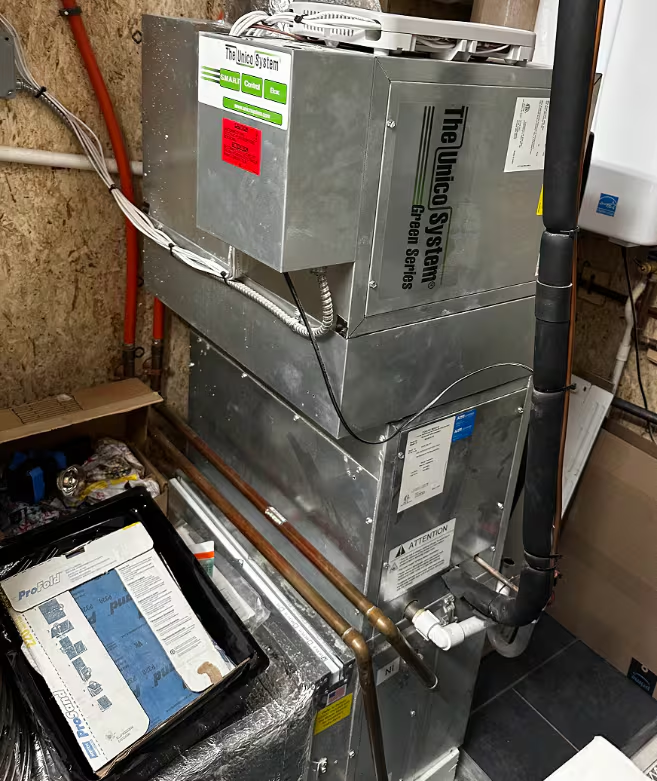
The air handler is compact and usually goes in an attic, basement or large closet. It needs room for a return and for future service access.
- 02
Tubing through the house
Small, flexible tubing runs through attics, closets and the spaces between joists, so it can reach rooms that full-size ducts never could.
- 03
Small, round outlets
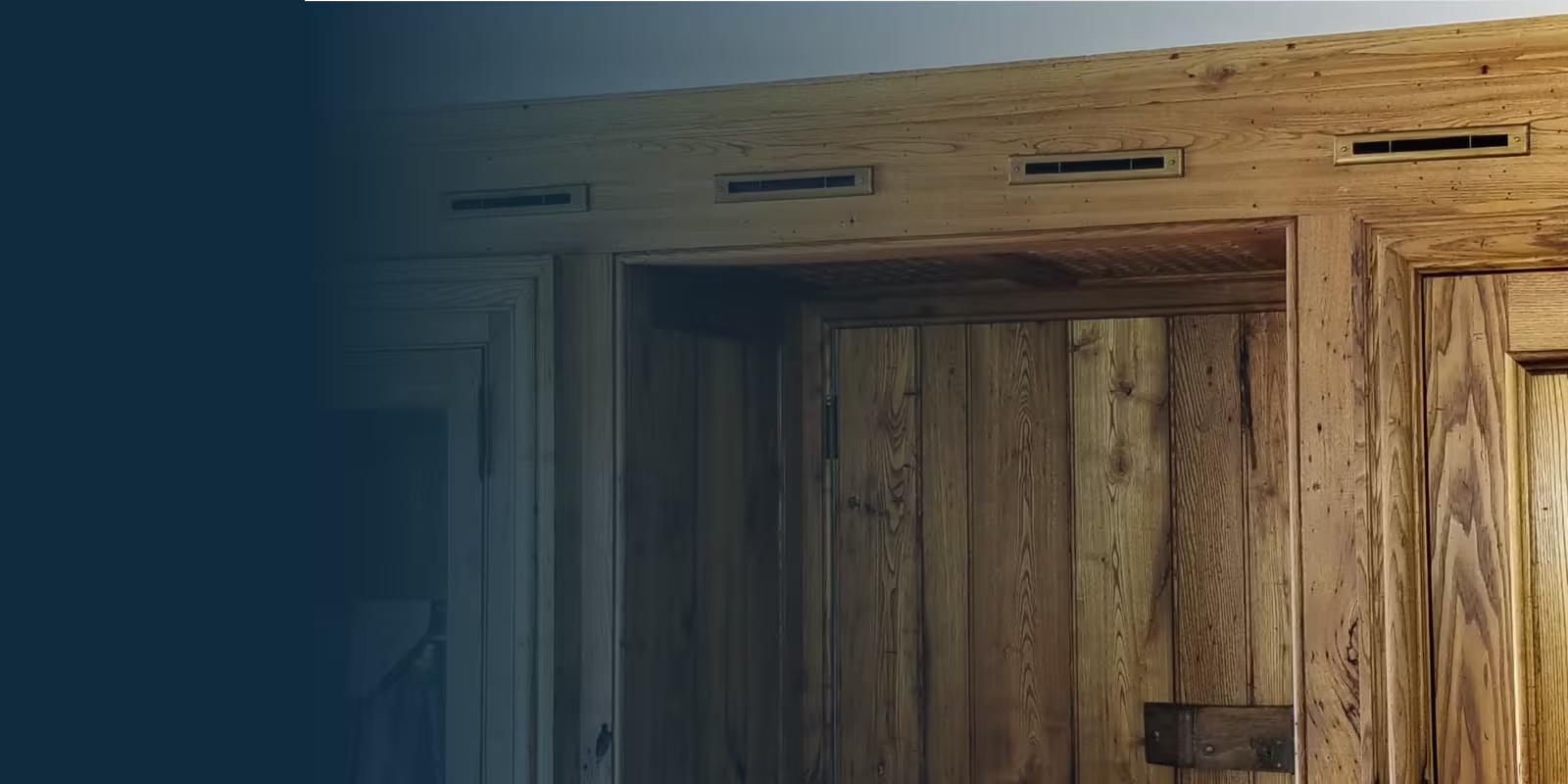
Instead of large rectangular registers, each room gets small round outlets in the ceiling, wall or floor. We go over where they'll go before anything is final.
- 04
Patching and finish work
Some openings are usually needed. The estimate says who handles cutting, patching and painting, so you know what to expect when the installation is done.
High-velocity air conditioning questions
Is this an option for a home without existing ducts?
Yes, that's exactly where it's worth a look. The actual layout still needs a visit to confirm.
Will the installation require opening walls or ceilings?
Usually some, yes. How much depends on the route, access and room layout, and we'll walk you through it before you commit.
Can it serve more than one floor?
It can, depending on the layout, cooling needs and equipment. Tell us which areas you want cooled during the estimate.
Can I compare this with a heat pump?
Yes. If you want heating as well as cooling, we'll lay out the heat pump options side by side with high velocity.