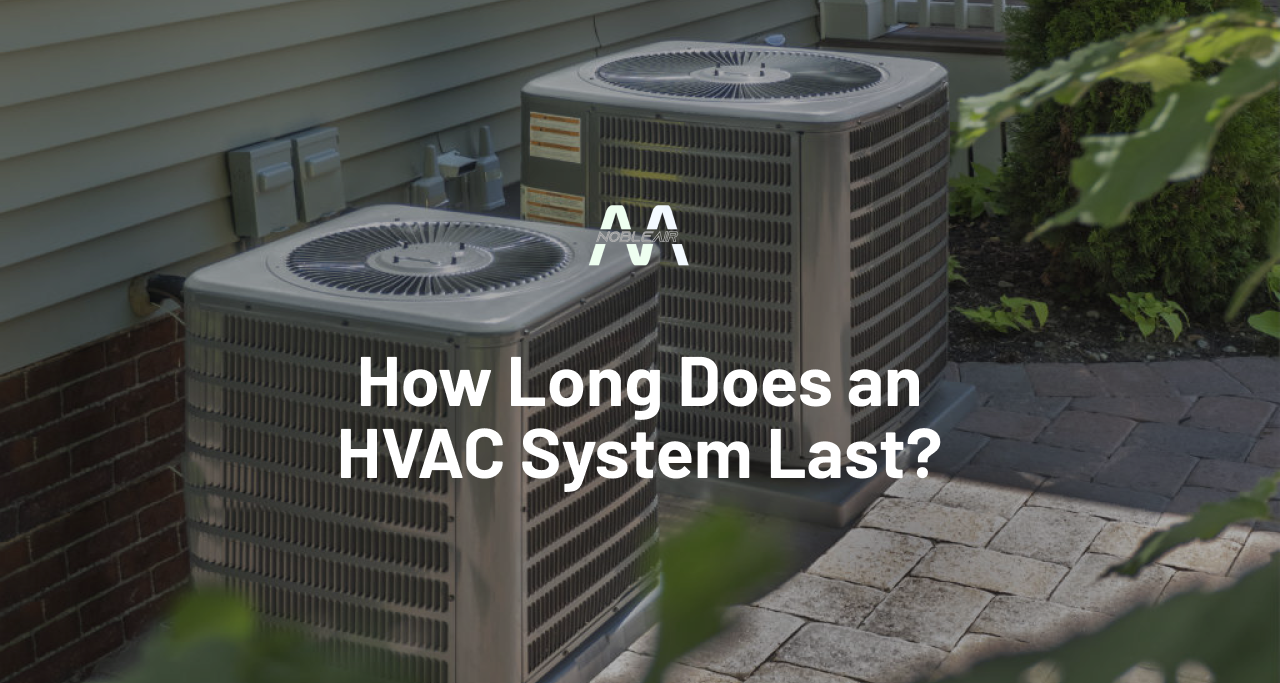
Your AC is 12 years old and still working. Then one day it needs a repair and the question pops into your head: is this normal, or are we getting close to the end? It’s a fair question. Unfortunately, HVAC equipment doesn’t come with a countdown clock.
If you’re wondering how long does HVAC system last, a rough answer is somewhere between 10 and 20 years for many types of residential equipment. But that’s a pretty big window, and there’s a reason for it.
An air conditioner, furnace, heat pump, and mini-split don’t all age the same way. Maintenance, installation, weather, and how hard the equipment works over the years matter too.
So if your system just turned 15, don’t panic. It doesn’t wake up on its 15th birthday and decide it’s done.
How Long Does HVAC System Last Before Replacement?
So, how long does HVAC system last in a typical home? There isn’t one age when replacement suddenly becomes necessary.
Some systems start having problems earlier than expected. Others keep going well beyond their average lifespan. That’s why age is useful information, but it shouldn’t be the only thing you look at.
Two neighbors could install similar AC systems in the same year and have completely different experiences 12 years later.
One unit may have been maintained regularly and used moderately. The other may have spent every summer running almost nonstop and had a few small problems that were never really addressed. Same age. Very different story.
Why Do Some HVAC Systems Last Longer Than Others?
HVAC equipment is a little like a car in this respect. Mileage tells you something, but not everything.
A 10-year-old car that has been maintained and driven normally may be in much better shape than a younger car that has had a rough life. Your heating and cooling equipment also has a history behind it.
A few things make a difference:
- Maintenance: Filters, coils, moving parts, electrical connections, and other components need attention over the years.
- Installation: A good system can still struggle if it wasn’t installed or sized correctly in the first place.
- How much it runs: Equipment that works especially hard for long periods naturally experiences more wear.
- The condition of the rest of the home: Poor insulation or duct problems may make the HVAC system work harder to keep rooms comfortable.
- Small repairs that get ignored: A strange noise or recurring issue doesn’t always mean disaster, but letting problems continue can put more stress on other components.
- Weather: In Massachusetts, HVAC equipment gets plenty to deal with. Hot, humid summer days and cold winters both put heating and cooling systems to work.
You don’t need to baby your HVAC system every day. Most of the time, you probably shouldn’t have to think about it at all. Regular maintenance is more about catching the little stuff while it’s still little.
Noble Air goes deeper into that in How to Extend the Lifespan of Your HVAC System, with practical ways to help equipment stay in better shape over the years.
Is an Old HVAC System Automatically a Bad HVAC System?
Not at all.
If your system is 15 years old, keeps the house comfortable, isn’t constantly breaking down, and your energy bills haven’t suddenly jumped, its age alone isn’t a reason to rush out and replace it.
On the other hand, an 11-year-old system that needs another repair every few months deserves a different conversation.
This is where homeowners sometimes get stuck. You’ve already paid for one repair, so another one feels easier than replacing the whole thing. Then another problem comes up six months later.
At some point, you start putting money into a system you don’t really trust anymore. Watch what has changed.
Maybe one repair turned into several. Maybe the AC now runs much longer than it used to. Certain rooms may never feel comfortable anymore. Your energy bills could be climbing even though your habits haven’t changed.
None of those things alone gives you an automatic “replace it” answer. Together, though, they tell you more than the age on the equipment label.
When Does Replacement Start Making More Sense?
There’s no magic birthday for this either.
If a relatively young system needs one straightforward repair and has otherwise been reliable, fixing it may make perfect sense. If an older system needs an expensive repair after several other problems, putting more money into it becomes harder to justify.
Think about how you feel when you leave your car at the mechanic.
If you expect to pick it up and drive it for another few years, the repair feels different. If you’re already wondering what will break next month, you probably start thinking about whether that money would be better spent somewhere else.
HVAC replacement can be similar.
Before deciding, look at the whole picture: the age of the equipment, what needs to be repaired, its repair history, how well it heats or cools the house, and what it costs to run.
You also don’t have to make that call by yourself.
Noble Air can inspect your current equipment and tell you what condition it’s actually in. If repairing it still makes sense, you’ll know.
If the system is reaching the point where replacement deserves a serious look, you can start comparing options before you’re making that decision on the hottest or coldest day of the year.
If you’ve been wondering how long does HVAC system last because your own equipment is getting older, contact Noble Air.
Tell us how old the system is and what you’ve been noticing lately, and we can help you figure out whether it still has some good years ahead or whether it’s time to start thinking about what comes next.