Winter can be beautiful, with streets covered in snow and warm mornings. But if homeowners don't take the right steps, heavy snow can cause big problems for their heating system.
A lot of people forget about their HVAC systems when they're shoveling driveways or clearing walkways. This can cause unexpected shutdowns, safety problems, and expensive repairs.
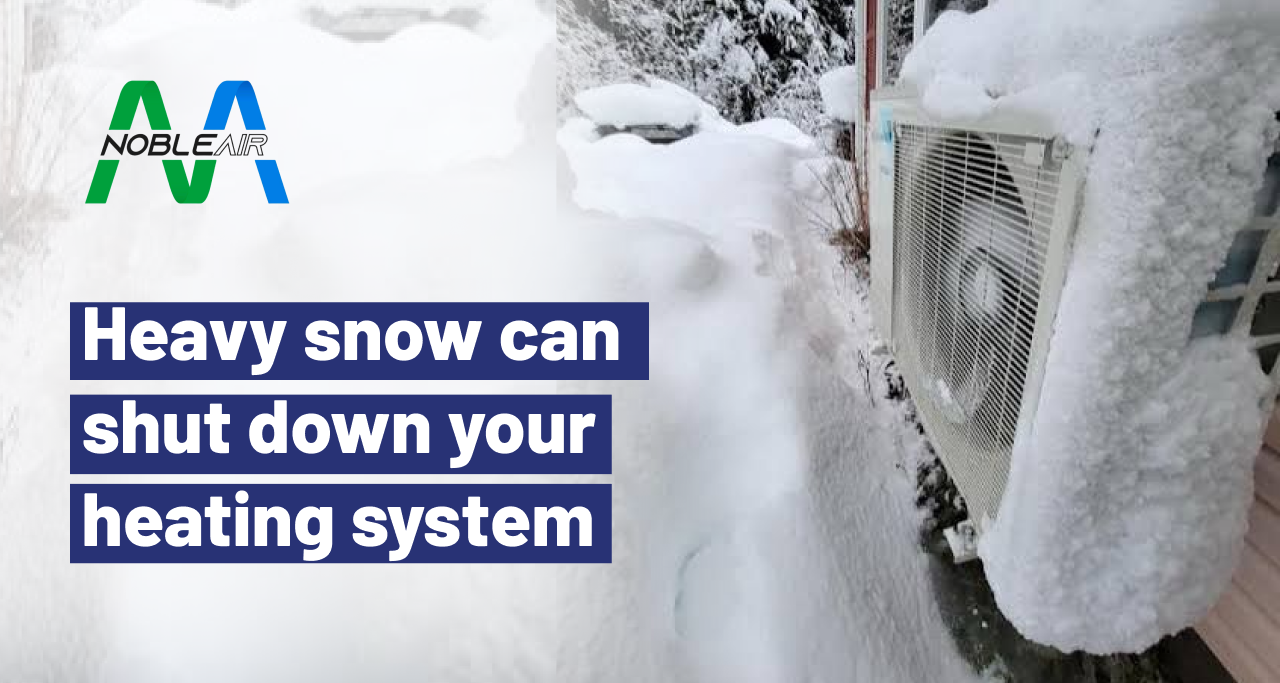
When snow builds up around outdoor units, flue pipes, and intake vents, it can make the heating system work less well or even stop it from working altogether.
If you know how snow affects your equipment and what to do about it, you can keep your home warm, safe, and comfortable all winter long. Even the harshest winters in New England don't have to make your home uncomfortable if you take care of it and get it checked by a professional on time.
Why Snow Buildup Causes Heating System Problems in Massachusetts
In Massachusetts, heavy snow is more than just a nuisance, it can directly impact your heating system. When snow builds up around flue pipes, intake vents, or outdoor HVAC units, it can block airflow and cause the system to shut down on its own for safety reasons.
Furnaces, boilers, and heat pumps all need good airflow to work right. If, for example, a vent is blocked by packed snow, exhaust gases can't escape as easily, which could set off carbon monoxide alarms or lock down the system.
People who own homes often don't know that snow can really hurt heat pumps. To get heat out of outdoor units, they need a steady flow of air. Your heating may not work as well when ice or snow blocks airflow. This can cause higher energy bills and damage.
If the outdoor part of the system is damaged, it can even affect indoor units like wall-mounted air handlers or furnaces.
That's why people in Boston, Worcester, and other Massachusetts cities should make it a priority to safely clear snow and keep their tools handy.
Common Problems Snow Causes in Your Furnace, Boiler, or Heat Pump
When it snows a lot, it can cause a lot of problems with your heating system. Knowing about these issues can help you avoid expensive repairs:
Issues with combustion and venting:
- Flue pipes blocked by snow stop exhaust gases from leaving the home
- Carbon monoxide backup due to restricted airflow
- Pressure switches fail when intake or exhaust pipes are obstructed
- Safety sensors trigger system lockouts
Heat pump concerns:
- Reduced airflow, decreasing efficiency
- Ice buildup on coils because of poor drainage or snow accumulation
- Sensors fail when covered in snow, disrupting defrost cycles
- Fan motors can be damaged by ice or compacted snow
- Physical damage from snow removal tools like shovels or plows
Electrical and mechanical issues:
- Frozen condensate drains cause system shutdowns
- Water infiltration into control boards or electrical components
- Corrosion accelerated by melting snow mixed with road salt
- Tripped breakers due to moisture exposure
People who live in places that get a lot of heavy winter storms, like New England, should check their indoor and outdoor heating systems on a regular basis. If you don't take care of them, even small amounts of snow and ice can turn into big problems.
Tips to Keep Your Home Heating System Safe During Winter
It doesn't have to be hard to keep your heating system working well in the winter. Simple steps to avoid problems can make a big difference:
- Maintain at least 18 to 24 inches of clearance around outdoor HVAC units
- Remove snow from around flue pipes, intake vents, and heat pumps after every storm
- Avoid piling snow near furnaces, boilers, or outdoor units
- Do not use metal tools directly on coils or vents to chip ice, as this may cause permanent damage
- If the system displays error codes or stops functioning, contact a licensed professional immediately
Cleaning and checking your indoor heating on a regular basis will keep it working well. You can keep your family safe and avoid big problems by spending a few minutes each time it snows.
For high-efficiency systems, like those made by Mitsubishi or Bryant, it is very important to keep the airflow and clearance right. These units are safe to use, but only if snow and ice don't get in the way of their parts.
Why You Should Call a Professional HVAC Technician
Even if you carefully clear the snow, some problems need to be fixed by a pro. A licensed HVAC technician can find problems that are easy to miss, like small ice buildups in heat pump coils, subtle vent blockages, or condensate lines that are only partially frozen.
Noble Air technicians are trained to quickly and safely find and fix problems with heating systems that are caused by snow. Trying to fix things that are too complicated without the right experience can make things worse or put people in danger, especially when it's freezing outside.
Getting professional help makes sure your home stays warm and your equipment works well. If you live in Boston, Springfield, or a smaller town in New England, quick action can stop you from having to call for help during the coldest days of winter.
You might have to deal with snow, but you don't have to deal with heating problems. Regular checks, clearing away snow, and professional maintenance will keep your home's heating system running all season.
You shouldn't have to worry about expensive repairs or feel cold during winter storms. After a lot of snow, if your heating system isn't working well, Noble Air can make sure that your furnace, boiler, or heat pump runs safely and efficiently.
Their team can help you with inspections, maintenance, and emergencies, so you can relax and stay warm.
Don't put off fixing a small problem until it becomes an emergency. To keep your home comfortable all winter long, go to Noble Air HVAC to schedule a professional inspection or service.