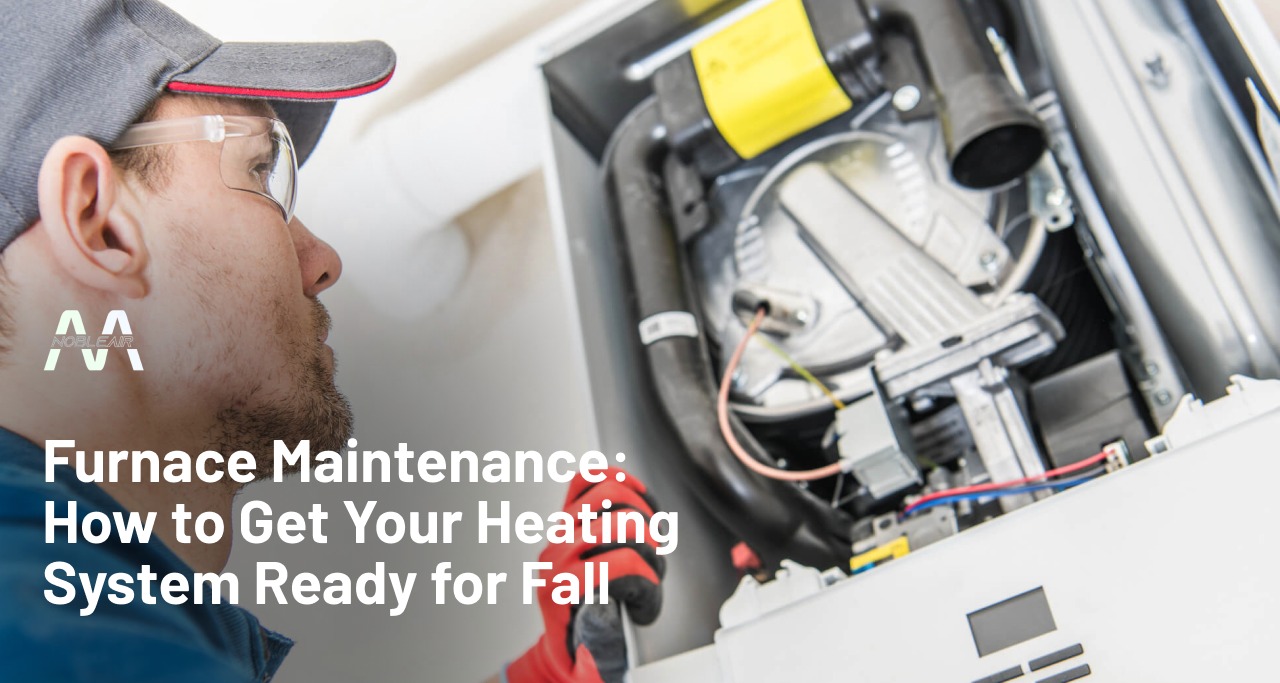
Your furnace has probably been sitting quietly for months. Then the first chilly morning arrives, you turn on the heat, and suddenly you notice everything. A smell you don’t remember. A sound that seems new. Maybe one room takes forever to warm up.
That first day isn’t the best time to discover a problem.
A little furnace maintenance before the heating season starts gives you a chance to find out how the system is doing before you really need it. In Massachusetts, where a mild fall afternoon can turn into a pretty cold night, that timing matters.
You don’t need to become an HVAC expert or start taking the furnace apart yourself. There are a few simple things homeowners can check, and a few others that are better left to a technician.
What Does Furnace Maintenance Include?
Professional furnace maintenance is basically a checkup before the system goes back to its busy season.
A technician looks at the furnace, checks important components, and watches for signs that something isn’t working the way it should.
The exact service depends on the equipment, but the goal is pretty simple: make sure the system is ready to heat the house safely and reliably.
Think about the first really cold morning of the year. You don’t want that to be the test run.
During a professional visit, a technician may inspect electrical connections and controls, check the condition of the system, look at airflow, inspect the filter, and make sure the furnace is operating properly.
Gas-fired equipment also has combustion-related components that need to be handled by someone who knows what to look for.
It’s less about “doing something” to the furnace just because fall arrived and more about catching small issues before months of regular use begin.
What Can You Check Before Turning On the Heat?
There are a few things you can look at yourself without opening up the furnace or getting into technical work. Before the heating season gets going, take a few minutes to:
- Check the air filter. If it’s dirty or overdue for replacement, start there.
- Look at the thermostat. Switch it to heating mode and make sure the system responds normally.
- Walk around the house and check the vents. Make sure furniture, rugs, or other items haven’t ended up blocking them.
- Clear the area around the furnace. Boxes, cleaning products, and other household items shouldn’t pile up around the equipment.
- Pay attention during the first few heating cycles. Listen for sounds that seem unusual and notice whether the rooms are warming up normally.
You may notice a dusty smell when the heat comes on for the first time after sitting unused for months. That can happen as dust that settled during the warmer months heats up.
A smell that sticks around, gets stronger, or smells like something is burning is different. The same goes for banging, grinding, repeated starting and stopping, or a furnace that doesn’t seem to be heating the house properly.
Those aren’t things you need to diagnose yourself. They’re reasons to have someone take a look.
How Often Should You Schedule Furnace Maintenance?
For many homeowners, having the furnace professionally checked once a year, preferably before the main heating season, is a practical routine.
Fall is a convenient time because the furnace is about to go from barely being used to working regularly.
It’s a little like checking your car before a long road trip. You could wait until you’re already hundreds of miles from home to find out something needs attention, but that’s not exactly ideal.
The same logic applies to your heating system.
Regular service also gives you some history to work with. If the same component keeps causing trouble or the furnace is starting to show its age, you have a better idea of what’s been happening instead of treating every repair like a completely new problem.
If you’re not sure how often your heating and cooling equipment should be checked, Noble Air also breaks it down in How Often Should You Service Your HVAC System?, including when it makes sense to schedule seasonal maintenance.
That becomes especially useful with older equipment.
A furnace that has worked reliably for years may still have plenty of life left. But if it’s getting older, heating unevenly, making new noises, or needing repairs more often, a fall checkup gives you time to talk through those issues before winter.
A Few Things Are Better Left to an HVAC Technician
Changing a filter is one thing. Taking apart a furnace is another.
There are plenty of DIY videos online, but your heating system isn’t a great place to experiment. Electrical components, gas connections, combustion, and safety controls all deserve more caution than a weekend home project.
If something doesn’t seem right, you don’t need to figure out exactly which component is responsible before calling for service.
Just describe what you’ve noticed:
- “The furnace keeps turning on and off.”
- “The upstairs isn’t getting as warm as it used to.”
- “There’s a weird noise when it starts.”
- “The heat is on, but the house is taking forever to warm up.”
Those details are useful. And they’re a lot safer than opening up the equipment and trying to troubleshoot something you’re not comfortable working on.
Don’t Make the First Cold Night Your Furnace Test
It’s easy to forget about the furnace when it’s 75°F outside. That changes pretty quickly when the temperature drops and everyone in the house suddenly wants the heat on.
Checking the system in fall gives you a little breathing room. If everything looks good, great. If something needs attention, you’re dealing with it before the furnace becomes one of the most important appliances in the house.
Noble Air works with homeowners in Massachusetts to inspect, maintain, repair, and replace heating and cooling equipment. The point isn’t to replace parts that are still doing their job. It’s to understand how the system is running now and take care of problems that could become much more inconvenient once winter settles in.
If furnace maintenance is still sitting on your fall to-do list, contact Noble Air to schedule a visit and make sure your heating system is ready before the colder days arrive.