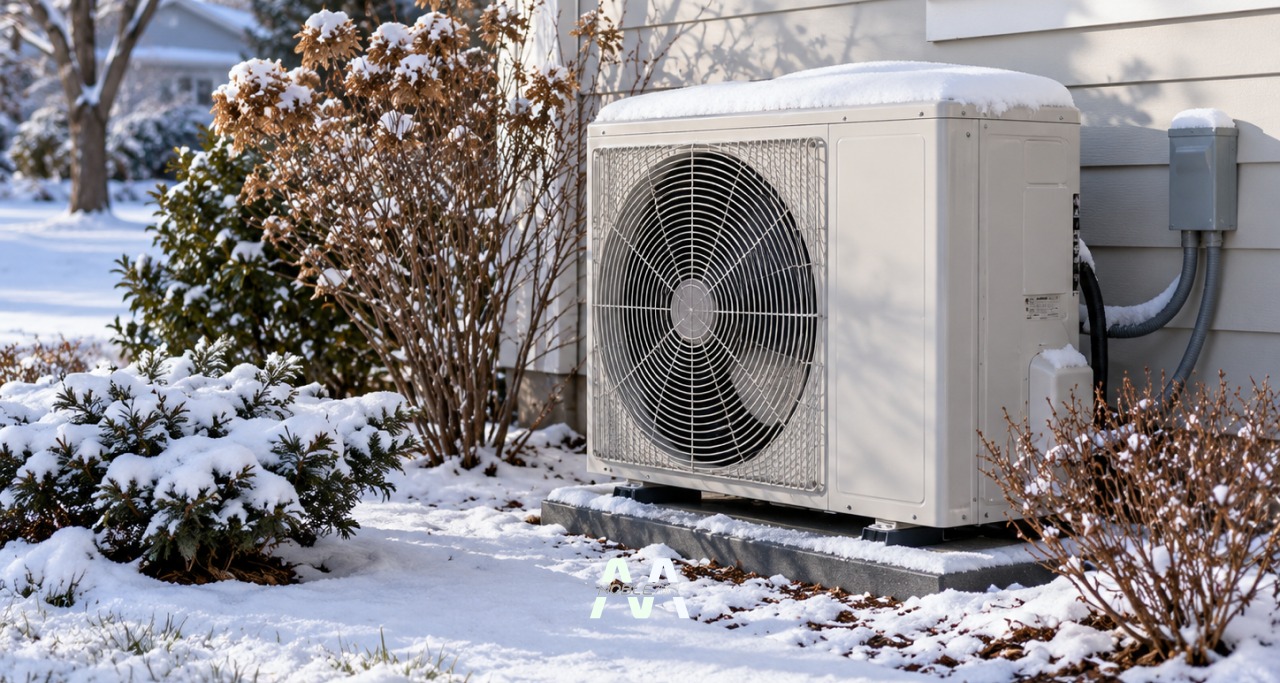
If you’re thinking about a heat pump, there’s probably one question sitting in the back of your mind. What happens in January? It’s a fair question in Massachusetts, where a cold snap can bring single-digit temperatures for days at a time. The good news is that modern heat pumps work in cold weather much better than older models did, and many homes across the state now rely on them all winter.
That said, how well a heat pump performs depends a lot on the equipment, the size of the system, and the house itself.
Do Heat Pumps Work in Cold Weather?
Yes, heat pumps work in cold weather, especially cold-climate models designed for places like New England. Many of these systems keep heating well below freezing, and some are built to keep running even when it’s below zero outside.
Here’s the simple version of how it works. A heat pump doesn’t create heat by burning fuel. It moves heat from the outside air into your home. Even very cold air still holds some heat, and the system is designed to pull it out and bring it inside.
In the summer, the same system runs in reverse and works as an air conditioner. That’s a big reason so many Massachusetts homeowners are looking at heat pumps when an older furnace or AC is near the end of its life. One system handles both seasons.
As the temperature drops, the heat pump has to work harder, and its efficiency goes down a bit. That’s normal. A well-chosen system is sized with local winters in mind, so it can still keep the house comfortable on the coldest days of the year.
What’s Normal When It’s Freezing Outside
Heat pumps behave a little differently from furnaces, and that surprises some homeowners during their first winter. Here’s what you might notice:
| What you notice | What it usually means |
|---|
| Steam rising from the outdoor unit | The system is in defrost mode, which is normal |
| The unit runs for long stretches | Heat pumps often run longer at lower output to keep temperatures steady |
| Air from the vents feels warm, not hot | Heat pumps deliver gentler heat than a furnace |
| Ice building up and not clearing | Worth having it checked |
| The house can’t reach the set temperature | The system may be undersized or need service |
A few simple habits help too:
- Keep snow and ice cleared from around the outdoor unit
- Make sure the unit sits high enough to stay above drifting snow
- Avoid big thermostat swings, since steady settings usually work better
- Clean or change filters on a regular schedule
Some homes keep a backup heat source for the coldest days, like an existing furnace or electric heat built into the system. That doesn’t mean the heat pump failed. It’s just part of the plan for extreme weather.
If your heat pump is new and the first cold snap makes you nervous, give it a little time. Many homeowners find the steady, even warmth takes some getting used to after years of a furnace blasting hot air and then shutting off.
Is a Heat Pump a Good Fit for Your Home?
The equipment is only half the story. A heat pump in a drafty house with poor insulation has a much harder job than the same system in a well-sealed home.
Before choosing a system, it helps to look at insulation, air leaks, ductwork, the layout of the house, and how you heat it today. Ductless mini-splits can be a great fit for homes without ducts or for additions and finished basements. Ducted heat pumps can work well when there’s already good ductwork in place.
Sizing matters a lot. A system that’s too small will struggle in January. One that’s too big may turn on and off more often than it should, which isn’t great for comfort or efficiency. If you’re still learning the basics, our guide to understanding heat pumps is a good place to start.
It’s also worth checking what incentives are available before you buy. Massachusetts has offered rebates for qualifying heat pump installations, and those programs change from time to time.
Talk to Noble Air About Heat Pumps
Noble Air installs heat pumps for homeowners in Hudson and surrounding Massachusetts towns. We look at your home, how you use it, and what your current system is doing before recommending any equipment. That way, you get a system chosen for New England winters and not just for the numbers on a spec sheet.
If you’re wondering whether heat pumps work in cold weather in a home like yours, contact Noble Air and tell us about your house. We’ll help you understand your options and find a setup that keeps you warm all winter long.
Frequently Asked Questions
1. At what temperature does a heat pump stop working?
It depends on the model. Cold-climate heat pumps keep heating well below freezing, and some are rated to run when it’s below zero outside.
2. Why is steam coming out of my heat pump in winter?
That’s usually defrost mode. The system briefly melts frost off the outdoor coil, and the steam is normal.
3. Do I need backup heat with a heat pump in Massachusetts?
Not always. Many homes keep a backup source for the coldest days, but a properly sized cold-climate system may handle most of the winter on its own.
4. Should I turn my heat pump down at night?
Small adjustments are fine, but big temperature swings can make the system work harder to catch up. Steady settings usually work best.